
Alma Thomas: The Black Woman Whose Art Went From Overlooked to the White House
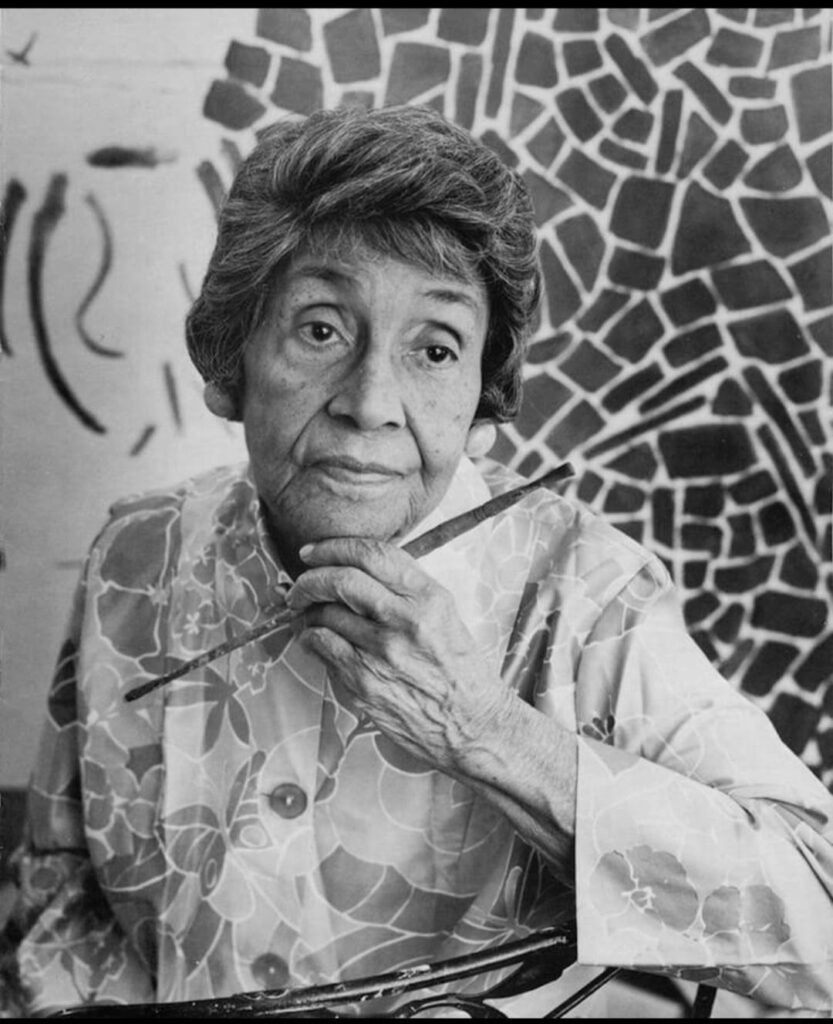
Alma Thomas was the definition of a late bloomer, she was a black woman who stepped into her destiny at almost 70 years old, and she didn’t just make art, she shook the entire art scene with her creativity. Alma Thomas was an educator, she had earned her degree at the University of the District of Colombia and was the first graduate of Howard University art department but her talents and passion for art was a bold declaration that it’s never too late to become the version of yourself you’d always wanted to be.
It’s crazy that most people still don’t know her name. She may not be Picasso but her paintings deserve accolades, lots of accolades. Alma’s paintings weren’t just drawings and colours, she had one of the most joyful, groundbreaking abstract art of the 20th century. Her work was pure joy, a burst of colours, and depicted artistic freedom. Her canvases could bubble up joy inside of you on a bad day, they always looked like fireworks and sunlight dancing through a green field.
The amazing thing about Alma is that she started her career when others were thinking of retirement. I guess the fire inside of her to paint couldn’t be contained anymore, because who begins their art career at 70? Clearly, she wasn’t painting to make money or fit into a certain narrative. She painted out of pure love and joy for art and it reflected in her works. I would describe her art as a love letter to black people, something that made you light up on a bad day.
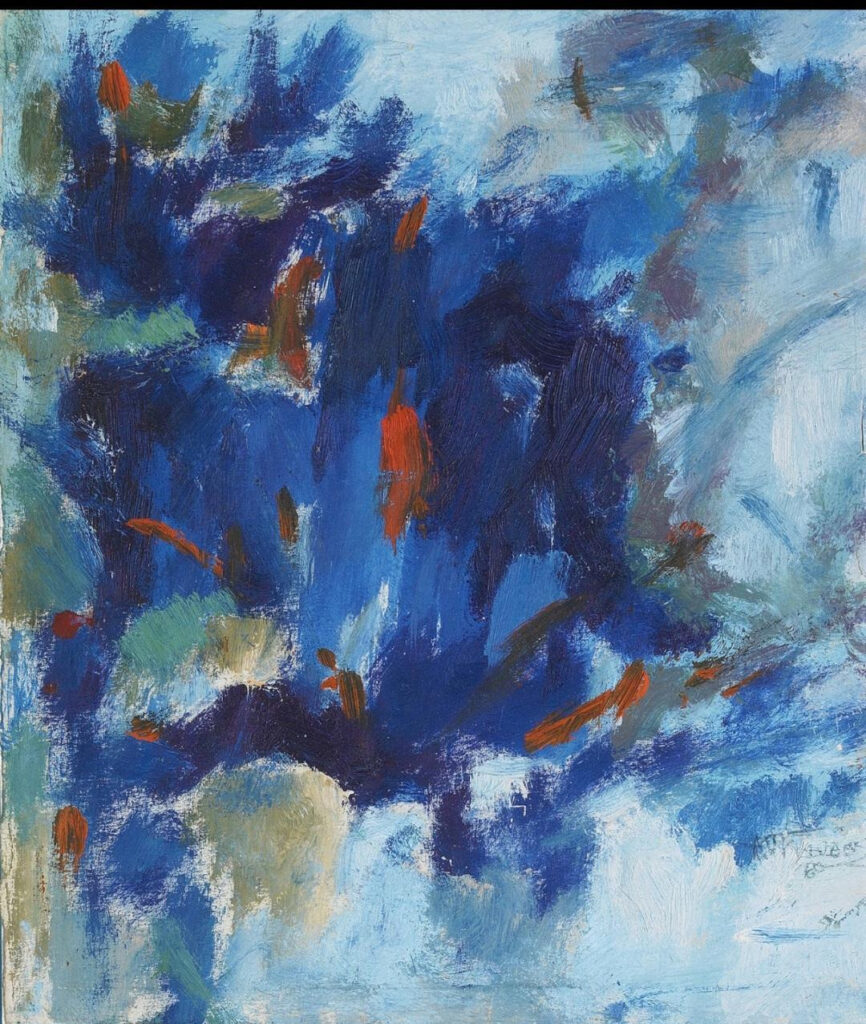
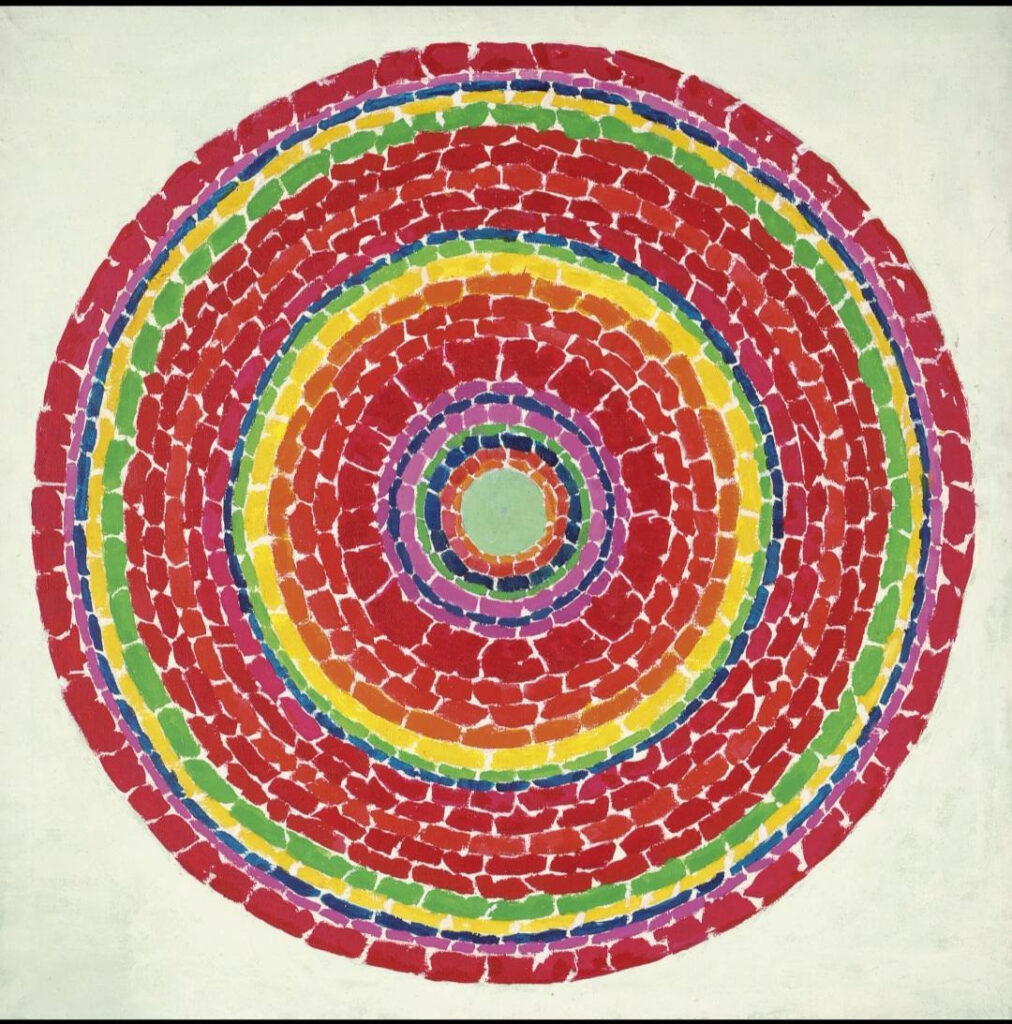
At a time when Black people were fighting for visibility, respect and basic rights, using their art and whatever means they could to pass a message to the people, Alma was painting happiness, sunlight and hope, her mosaic-style colour patterns looked like confetti thrown across the sky. She painted a world she wished had existed, instead of the one she actually lived in. Despite the prejudice faced during her time, especially as an African American female artist, Alma didn’t back down. She faced criticism even from her fellow black artists who tried to influence her to use her art as a symbolism to fight oppression. But Alma didn’t want her art labelled, she just wanted to continue creating her visions through art and live in a world with no racial segregation.
Getting Into The White House
Alma’s artwork got worldwide recognition when her painting “Resurrection” was selected as one of the White House art collections. Her painting is literally hanging in the White House’s permanent collection. The same White House where historic decisions were made now has a Black woman’s joy hanging on its walls. That’s not a regular win. That’s a cosmic victory.
And remember, this was a woman who wasn’t considered museum worthy for most of her life. A Black woman from the South who didn’t become a full-time artist until 70. And now she’s part of American history. That’s the kind of plot twist we love to see.
If the art world had its way, many of our legends would be swept under a rug, with no credits to their work, unnamed and forgotten. Because tell me why Alma Thomas is not in every art textbook, why aren’t we learning about her in school. The first Black woman whose art got into the White House, that’s a topic worth discussing, don’t you think? We don’t always have to dig BIPOC artists out of history’s storage room like a lost treasure. That’s why archiving matters. That’s why telling our own stories matters.

As artists, we should learn a few things from Alma. You’re not too old, you’re not late and your creativity isn’t just a hobby, create what your heart wants to, no matter what the world tells you.
Alma is an inspiration to all BIPOC creatives and she left a creative legacy for us to live by. She painted like she knew someone in the future needed to see her shine so they could remember to shine too. And honestly, she was right. Her art is archived now, her legacy is documented and the world finally caught up.
Alma Thomas didn’t just paint, she left color where they left silence, she left joy where they left struggle and she left proof that a Black woman can bloom in her own time and still change history. She may not have painted a picture the world wanted to see, but she painted one the world needed to see, a burst of colour in the midst of darkness.
And because she existed, someone else will look at her story and say, “If she could start at 70, maybe I can start today.”