
The Power of Archiving BIPOC Creativity
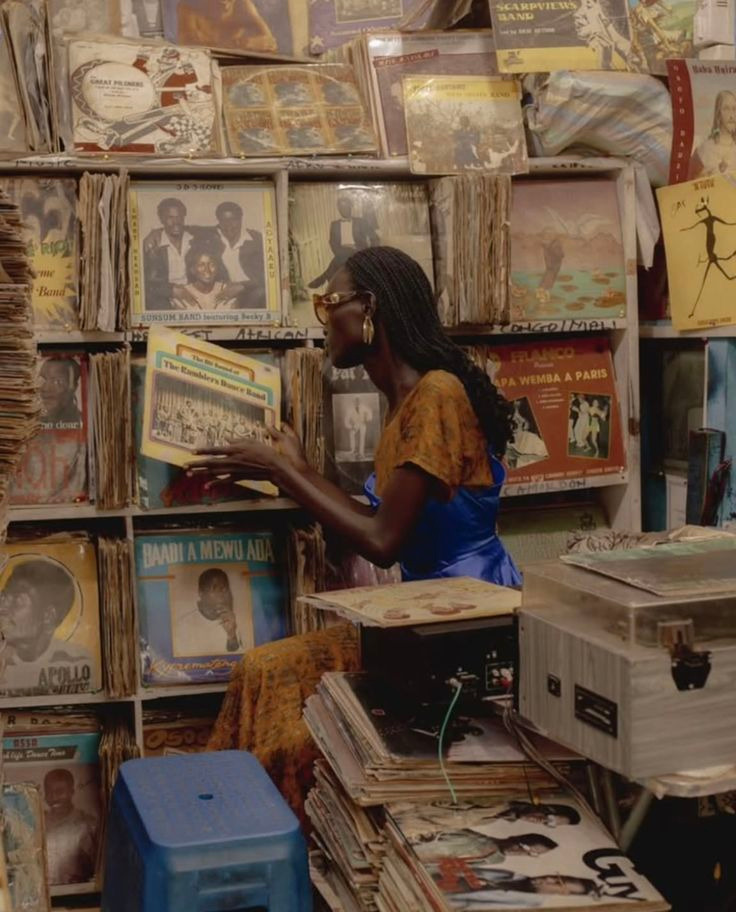
Our ancestors may not have had a museum to display their work, or icloud to save it but one thing’s for sure, they passed it down. Despite the hardship and limitations they had, they made sure not to let art die in their hands. Being a Creative wasn’t always an occupation as people may have it now, it has been a way of life—from our music, our food, our languages, our fashion, our healing practices, our art. It was a natural way of life, a means of expression. In a world where children no longer sit under the moon and listen to stories and young girls no longer dance around a fire, how do we pass down our creativity, how do we preserve the culture?
Creativity has evolved and with that came the problem of preserving art. Not because it couldn’t be done, but because so much of this brilliance has been overlooked, miscredited, or allowed to fade away because it was never properly archived.
Creativity has always been the heartbeat of BIPOC communities. And if the world before us made sure to sustain their art, why can’t we do better.
Here’s the truth:
Archiving isn’t just storing things, it’s honoring them, it’s protecting history from being erased. And for BIPOC communities, it is an act of preservation, empowerment, and resistance.
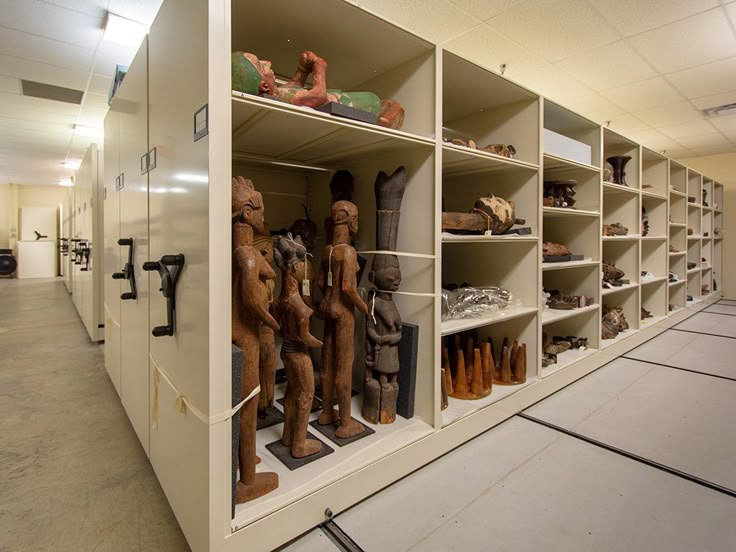
Take Augusta Savage for example, well known for her exceptional sculpting skills, she was an African American sculptor of the Harlem Renaissance. She was known for shaping clay into powerful, emotional portraits of Black life—dignified, tender, and honest. Her work captured pride, joy, hardship, and humanity, especially the humanity of Black people at a time when society often refused to see it.
Her gift was undeniable. At her peak, she was one of the most respected sculptors of her time.
But today, most people don’t know her name and sadly, almost all her major works no longer exist.
Why? Poor archiving, lack of resources, and systemic neglect.
Augusta created some of the most celebrated sculptures of the 20th century, including “The Harp,” a monumental piece made for the 1939 New York World’s Fair.
What Went Wrong
Augusta had no place to store her art. Coupled with the fact that she lacked funds and wasn’t given a museum backing to preserve and document her pieces.
Her most famous work, “The Harp,” a 16-foot masterpiece, was demolished after the World’s Fair because she couldn’t afford to transport or store it.
No one archived it, no museum stepped in and no institution preserved it. What remains today are mostly photographs, essays, and memories, not the art itself.
Augusta is one of the many creatives whose work has been blown into the wind due to lack of access to a working perseverance system. The erasure of her work demonstrates what happens when BIPOC creativity is left unprotected.
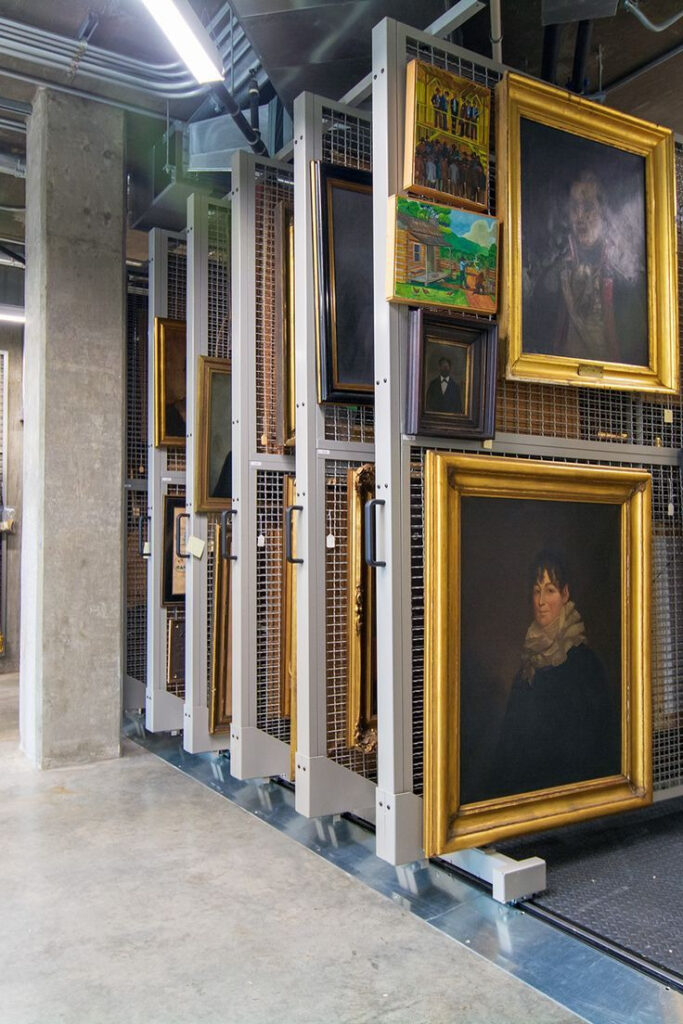
Brilliance can disappear without archiving. Legacy can vanish without preservation. Communities must document their own creativity so history won’t erase it.
Archiving BIPOC Creativity Matters:
Because Our Stories Have Been Silenced Too Often
Creativity is a map of our identity. For generations, BIPOC stories were filtered, watered down, or rewritten by people outside the communities that created them. People created their own version of who they think we are, and retold our stories. Archiving allows us to reclaim our voice, debunk myths and tell our own stories. It allows us to say, “We were here. We created this. And it matters.”
Our art is not just for us, it is for the world to come after us. How else do we let them know we existed? How do we pass down our gifts and talents, how do we lay a foundation for the future to build on.
Every art is a birthmark, a tale of origin, an expression set in stone. It doesn’t just beautify the world, it tells us who we are and where we come from. When we archive BIPOC creativity, we preserve identity and symbols that held meaning for our ancestors. With it, generations yet to be born can trace their lineage, they get to know the artistic spirit that shaped them long before they existed.
It Writes Our Names Down In History
How do you feel when you read about Picasso, Michelangelo, Vincent Van Hugh and the likes? How do you feel when you watch Madonna, Elvis or Micheal Jackson perform? How do you feel when you look them up and realise they’re from your city?
You feel pride. You feel connected. You feel like greatness has roots where you stand.
Now imagine how many BIPOC creatives deserved that same recognition, deserved to have their names echo through time but were never documented, never archived, never remembered. Imagine how many people could have felt pride, validation, and possibility if only those names were preserved.
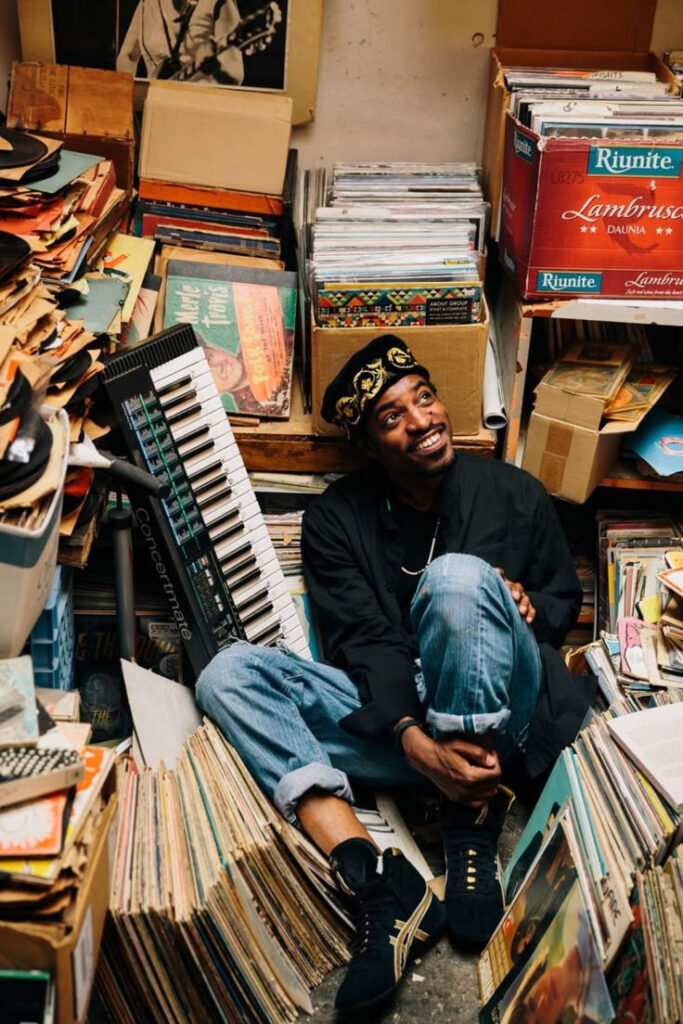
Archiving puts our names in the conversations where we have always belonged. It ensures that when history is written, we are not a footnote. We become chapters. We become references. We become topics in art journals and articles.
Because when our creativity is preserved, future generations won’t have to guess whether brilliance existed in their lineage, they’ll have proof.
They’ll see painters, sculptors, writers, designers, musicians, filmmakers, cooks, dancers, and healers whose work shaped culture long before anyone cared to document it.
And maybe, because they see us, they will begin to see themselves clearer.
Archiving BIPOC creativity is not a luxury. It is a push back against the historical silence we face. It’s a responsibility. It is how we undo erasure. How we honor the ones before us. How we empower the ones after us. How we make sure no one can rewrite our contributions again.
Because our art has always held power, our creativity will always be a legacy. Our stories deserve to live far beyond the moment they were created.
The world is finally catching up to what BIPOC communities have always known:
We are creators. We are innovators. We are history-makers.
When we archive, we do more than save art.
We save memory.
We save identity.
We save the truth.
And most importantly, we save ourselves.